Tips for Maintaining Your Musical Instruments and Gear
In the world of music, the instruments we use are not just tools; they are extensions of…
In the world of music, the instruments we use are not just tools; they are extensions of our creativity and passion. At echosphereconsulting.com, we understand that maintaining your musical instruments and gear is crucial not only for their longevity but also for the quality of sound they produce. As advocates for sustainability, we believe that taking care of your instruments is part of a larger commitment to ethical sourcing and eco-conscious decisions. Here are some tips to help you maintain your musical instruments while keeping sustainability in mind.
First and foremost, regular cleaning is essential. Dust and grime can accumulate on your instruments, affecting their performance and sound quality. Use a soft, lint-free cloth to wipe down surfaces after each use. For string instruments, consider using a specialized cleaner that is free from harsh chemicals. This not only protects the finish of your instrument but also reduces the environmental impact of using harmful substances. By choosing eco-friendly cleaning products, you contribute to a healthier planet.
Next, pay attention to the humidity and temperature of your storage environment. Instruments made of wood, such as guitars and violins, are particularly sensitive to changes in humidity. A stable environment helps prevent warping and cracking. Invest in a hygrometer to monitor humidity levels and consider using a dehumidifier or humidifier as needed. This proactive approach not only preserves the integrity of your instruments but also minimizes the need for repairs or replacements, which can be resource-intensive.
When it comes to strings and other consumables, opt for products that are sustainably sourced. Many manufacturers now offer strings made from organic materials or recycled metals. By choosing these options, you support companies that prioritize ethical practices and reduce waste. Additionally, consider reusing or recycling old strings instead of discarding them. Some companies even offer programs to recycle used strings, turning them into new products.
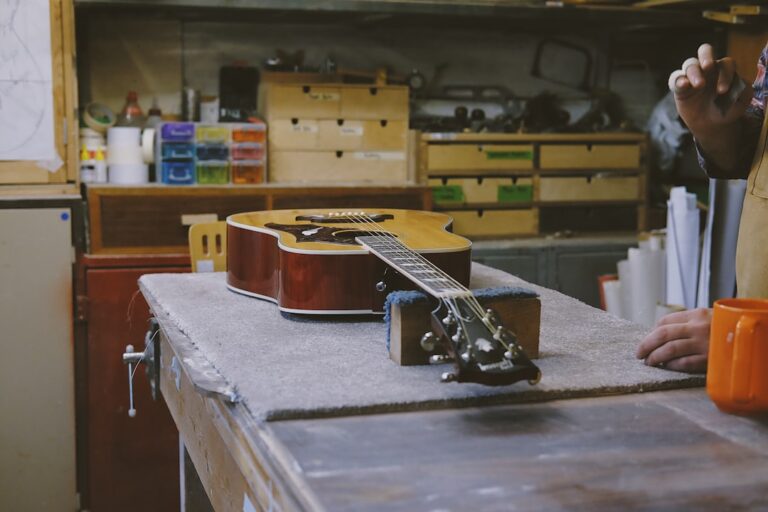
Another important aspect of maintenance is regular inspections. Check for any signs of wear and tear, such as loose parts or cracks. Addressing these issues early can prevent more significant problems down the line. If repairs are needed, seek out local luthiers or technicians who share your commitment to sustainability. Supporting local artisans not only reduces your carbon footprint but also fosters a sense of community.
In the realm of sustainability, certifications play a vital role in building trust with consumers. For instance, Fair Trade certification ensures that products are sourced ethically, with fair wages and safe working conditions for producers. When you purchase instruments or gear that carry this certification, you can feel confident that your investment supports ethical practices. This transparency fosters trust and encourages more consumers to make eco-conscious choices.
Additionally, consider the lifecycle of your instruments. When it’s time to upgrade or replace an item, think about resale or donation options. Many musicians find joy in second-hand instruments, and platforms that facilitate this exchange contribute to a circular economy. By giving your old gear a new life, you reduce waste and allow others to experience the joy of music.
Lastly, educate yourself and others about the importance of sustainability in the music industry. Share your knowledge with fellow musicians, encouraging them to adopt eco-friendly practices. By creating a community of conscious consumers, we can collectively make a significant impact on the environment.
In conclusion, maintaining your musical instruments and gear is not just about preserving their sound and performance; it’s also about making responsible choices that reflect our values. At echosphereconsulting.com, we are committed to promoting sustainability in the music industry. By following these tips, you can ensure that your instruments remain in top condition while supporting ethical sourcing and eco-conscious decisions. Together, we can create a harmonious balance between our love for music and our responsibility to the planet.