How to Choose the Right Gear for Your Musical Journey
Choosing the right gear for your musical journey can be a daunting task, especially with the vast…
Choosing the right gear for your musical journey can be a daunting task, especially with the vast array of options available today. Whether you are a beginner or a seasoned musician, the right equipment can significantly enhance your playing experience and help you achieve your musical goals. In this article, we will explore practical steps to help you select the best musical instruments and gear tailored to your needs.
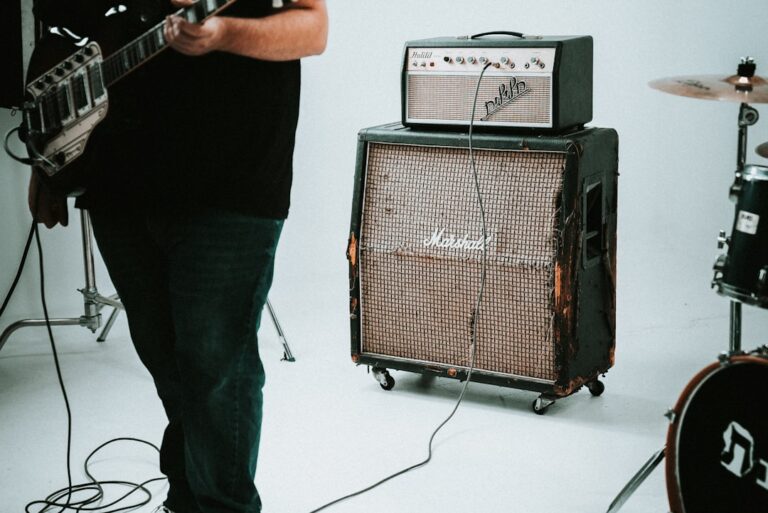
First and foremost, it’s essential to identify your musical style and goals. Are you looking to play in a band, perform solo, or simply enjoy music as a hobby? Understanding your objectives will guide you in selecting the right instruments and accessories. For instance, if you’re drawn to rock music, electric guitars and amplifiers might be your best bet. Conversely, if you prefer classical music, a quality acoustic guitar or a grand piano could be more suitable.
Next, consider your budget. Musical gear can range from affordable to high-end, and it’s crucial to set a realistic budget that aligns with your financial situation. Remember, while it’s tempting to splurge on the latest models, there are plenty of quality instruments available at various price points. Researching brands and reading reviews can help you find reliable options without breaking the bank.
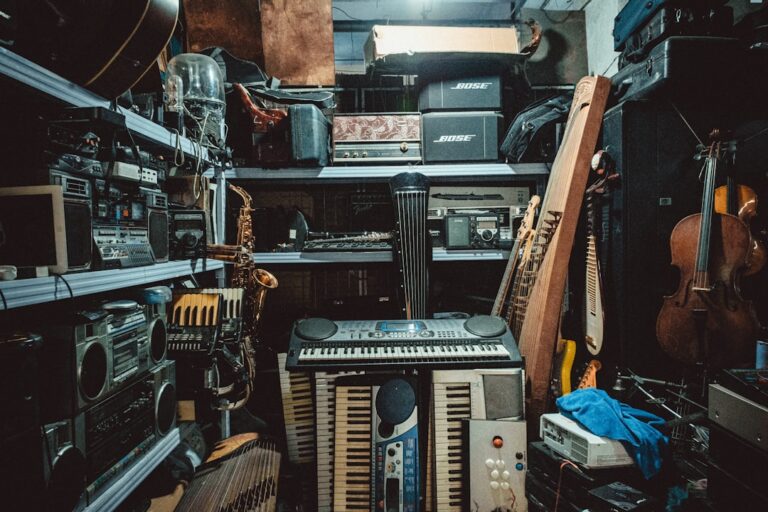
Once you have a clear understanding of your style and budget, it’s time to explore the different types of instruments available. For string instruments, you might want to try out various guitars, violins, or cellos to see which one feels right in your hands. If you’re interested in percussion, consider experimenting with drums, tambourines, or even electronic drum kits. Don’t hesitate to visit local music stores to test out different models and get a feel for their sound and playability.
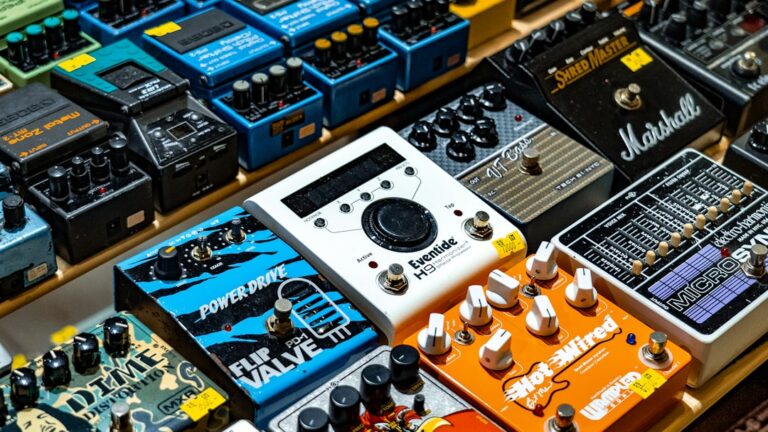
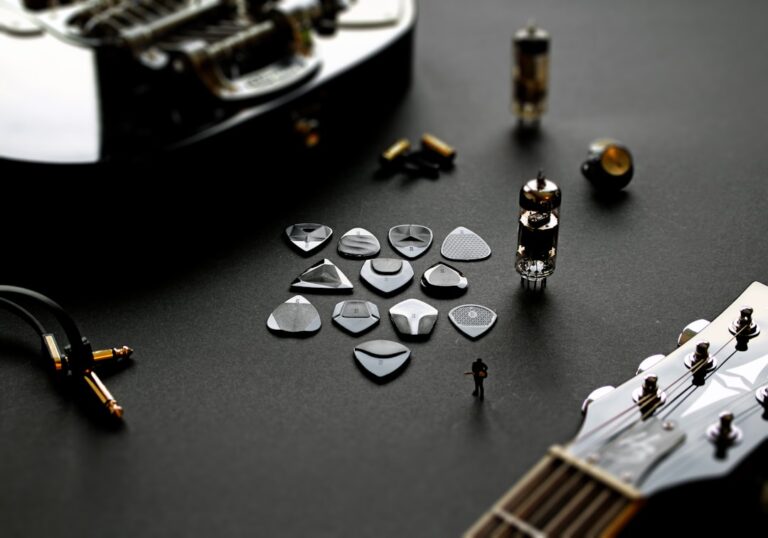
In addition to the main instrument, think about the accessories you might need. Items like tuners, cases, straps, and stands can enhance your playing experience and protect your investment. For example, a good quality guitar strap can make a significant difference in comfort during long practice sessions. Similarly, investing in a sturdy case will ensure your instrument remains safe during transport.
Another critical aspect to consider is the brand and quality of the gear. Established brands often have a reputation for durability and sound quality, which can be beneficial for both beginners and advanced players. However, don’t overlook smaller or boutique brands that may offer unique features or superior craftsmanship. Reading reviews and seeking recommendations from fellow musicians can provide valuable insights into the best options available.
As you narrow down your choices, it’s also wise to think about the long-term. Will this instrument grow with you as you advance in your skills? Some instruments are more versatile than others, allowing for a broader range of musical expression. For instance, a quality electric guitar can be used in various genres, making it a worthwhile investment.
Finally, once you’ve made your selection, don’t forget about maintenance. Proper care of your musical gear is essential for longevity and optimal performance. Regularly cleaning your instrument, changing strings, and storing it correctly can prevent damage and ensure it remains in top condition.
Step-by-step plan:
Step 1: Identify your musical style and goals to guide your choices.
Step 2: Set a realistic budget that reflects your financial situation.
Step 3: Explore different instruments and accessories by visiting local music stores.
Step 4: Consider brand reputation and long-term usability before making a purchase.
In conclusion, choosing the right gear for your musical journey is a process that requires careful consideration and research. By understanding your goals, setting a budget, exploring options, and maintaining your instruments, you can enhance your musical experience and enjoy the journey ahead. Whether you’re strumming your first chord or performing on stage, the right gear can make all the difference.